


Table of Contents
Atmosphere of Tension Makes Live Casino Experiences Real
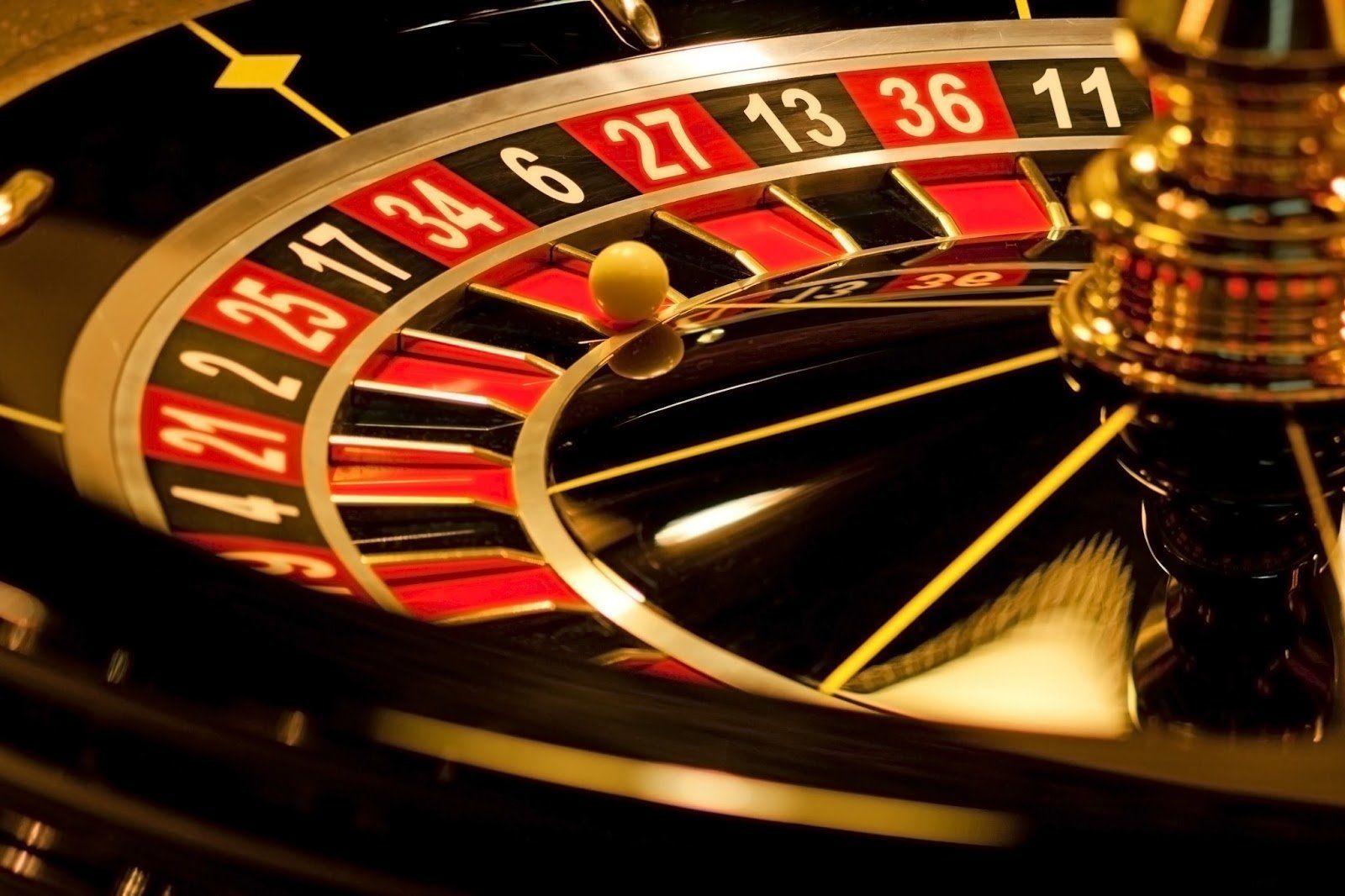
There is something magnetic about live casino experiences, something that pulls even the most casual players into a state of electric suspense. The click of chips, the sound of a live dealer’s voice echoing slightly through the microphone, and that instant just before the roulette wheel slows down are not just game mechanics, they are emotional triggers. These moments blur the line between gaming and genuine human tension. Strangely enough, this tension feels almost comforting, it gives the experience weight and meaning. Many modern online platforms, like thedoghousecasino.com/, attempt to capture that realness digitally, and surprisingly, they succeed more often than you would think.
When I first tried a live casino table online, I didn’t expect to feel nervous. But there I was, palms sweaty, watching a virtual dealer flip cards as if I were sitting at an actual table. It’s the tension that made it authentic, that peculiar blend of anticipation and uncertainty. In that instant, the distance between screen and seat vanishes.
The Psychology of Live Casino Gameplay
What fascinates me most about live casino games is how deeply they tap into basic psychological patterns. Humans enjoy risk in small, controlled doses. The uncertainty heightens focus, makes the mind alive. The brain delivers tiny jolts of adrenaline every time the next card reveals itself or when the dice tumble uncontrolled. It is not so much about winning, but about the state of waiting, a space filled with bright promise and mild anxiety.
Emotional Authenticity Through Risk
Live casinos replicate real-world cues—the sound, gestures, eye contact of dealers—because those elements trigger genuine emotional responses. The key is trust. When the environment feels real, players instinctively commit emotionally. They lean into the game, wanting to prove skill or luck. This authenticity creates a paradox, an online space that feels more tangible than some physical experiences.
Technology and Design Behind Realism
What makes this realism technically possible is astounding. High-definition camera feeds, low-latency streaming, and integrated interaction systems let you respond instantly, keeping the illusion of presence unbroken. The entire interface, from the angle of the camera to the design of the table, is engineered to minimize disconnection. You expect glitches, yet they rarely happen. That’s part of the tension, too, because smooth performance makes you trust the unpredictable flow of chance itself.
Infobox: One of the strongest factors behind successful live casino immersion is how platforms engineer psychological flow. Once a player enters that state, where concentration and emotion balance perfectly, realism takes over effortlessly.
Sound, Lighting, and Dealer Persona
A surprising amount of thought goes into how dealers smile or move their hands on camera. Sound is tuned to enhance subtle frequencies that our brains associate with proximity—almost like the dealer is just a few feet away. Lighting mimics physical casinos, casting warm tones that subconsciously signal luxury, comfort, and alertness. Small details, yet they drastically affect how tension builds.
Registration, Bonuses, and Atmosphere
Before the tension even begins, a player starts with the process of registration. It’s oddly ceremonial: filling out details, selecting a username, perhaps claiming a bonus. That bonus itself carries emotional tension—it is a promise of potential, a trigger for curiosity. And once the first deposit confirms, players tread carefully, aware that real stakes are now part of the game. Even payment screens, those interfaces we tend to overlook, add layers of anticipation and, sometimes, hesitation. It feels personal because, in a way, it is.
The rewards and promotional spins create another type of psychological push. For example, no-deposit bonuses tease you with possibility; cashback offers give you a safety net so you dare more. It becomes a behavioral pattern that mirrors real casino behavior, building emotional engagement every step of the way.
Journey Through a Live Interface
Modern live casinos are streamlined to feel cinematic. From sign-up screens to interactive chat panels, each click subtly contributes to immersion. The chat opens, the live feed flickers, and before you realize it, the rhythm of play has pulled you completely into its gravity. Even when you log off, that echo of anticipation stays a little longer than expected. That lingering feeling is proof of how well-designed tension works.

The Human Reaction to Digital Pressure
Everyone reacts differently to tension. Some thrive under it, deciding fast, leaning into risk. Others pause, second-guess, their heart rate oscillating as the cards land. Live casinos heighten these reactions because the experience is synchronized—it happens simultaneously for every connected player. The shared tension forms a wordless bond across screens worldwide. The intensity feels uniquely alive, slightly intoxicating even.
True realism isn’t about graphics; it’s about emotion. That slightly nervous energy makes the difference. When something matters to you, no matter how symbolic, your brain and body behave as if it’s happening right there.
The Social Dimension of Live Gaming
A fascinating paradox arises in live casinos: we are alone, yet we play together. The live chat enables subtle social cues—small talk, shared laughter, or even collective silence. It reminds you that someone on the other side is feeling the same build-up of tension. This interaction amplifies reality. Without it, you’d merely be clicking buttons; with it, you’re part of something resembling a night at a real table.
Technology Turns Loneliness into Connection
You could argue that online casinos simulate companionship as effectively as they simulate gaming halls. The chat, the interface, and the dealer’s gaze combine into a delicate imitation of human togetherness. Perhaps it’s artificial, yet the warmth feels undeniably authentic at the moment it happens. The attraction is not just about winning; it’s about being seen, being part of a shared tension that stretches across players, time zones, and cultures.
Highlight: Every rolling card and turning wheel echoes not just a possibility of gain but the emotional rhythm of being alive within uncertainty.
Layers of Tension: A Step-by-Step Build-Up
Tension doesn’t appear suddenly; it builds through stages. From opening the site to placing the first bet, each moment adds one layer. This progression mirrors performance psychology, like athletes preparing for competition. Here’s how such a buildup typically unfolds:
- Anticipation begins with login or loading the preferred game table.
- Sensory cues kick in—music, dealer movements, interface warmth.
- Emotional alignment follows; you start caring about the outcome.
- The tipping point comes as stakes rise and the decision window narrows.
- Resolution, win or lose, produces catharsis, letting the pressure release.
Each of these steps is engineered in online casino design. That careful pacing manipulates, in a good way, the player’s attention span into a dramaturgical curve. The player becomes both audience and performer in an evolving scene of chance.
Conclusion
In the end, it’s remarkable how well digital environments can evoke physical emotions. The carefully built atmosphere of tension in live casinos isn’t an artificial accident; it’s a refined craft. Through design, sound, performance, and psychology, they achieve something close to theatrical realism. When we lean forward during a deal, hold our breath as the wheel slows down, or silently hope for symbols to align, we aren’t merely playing a game—we’re experiencing a human truth. The thrill that something uncertain is about to happen still defines what feels real. And the most convincing live casinos understand this better than most modern entertainments, making every click a heartbeat sooner to anticipation.
 إنجي الجوهري
  محمود عبد الحميد